

Garden Fencing That Stays Straight, Stays Solid, and Actually Looks Right
A fence is meant to do three jobs: mark the boundary, provide privacy/security, and tidy up the look of the garden. When it’s done badly, you get leaning posts, wobbly panels, and gaps where the wind has its way with it. Northwood Landscape installs fencing in Cheltenham with the same rule we use on everything else: good materials, proper fixing, and no rushed shortcuts.
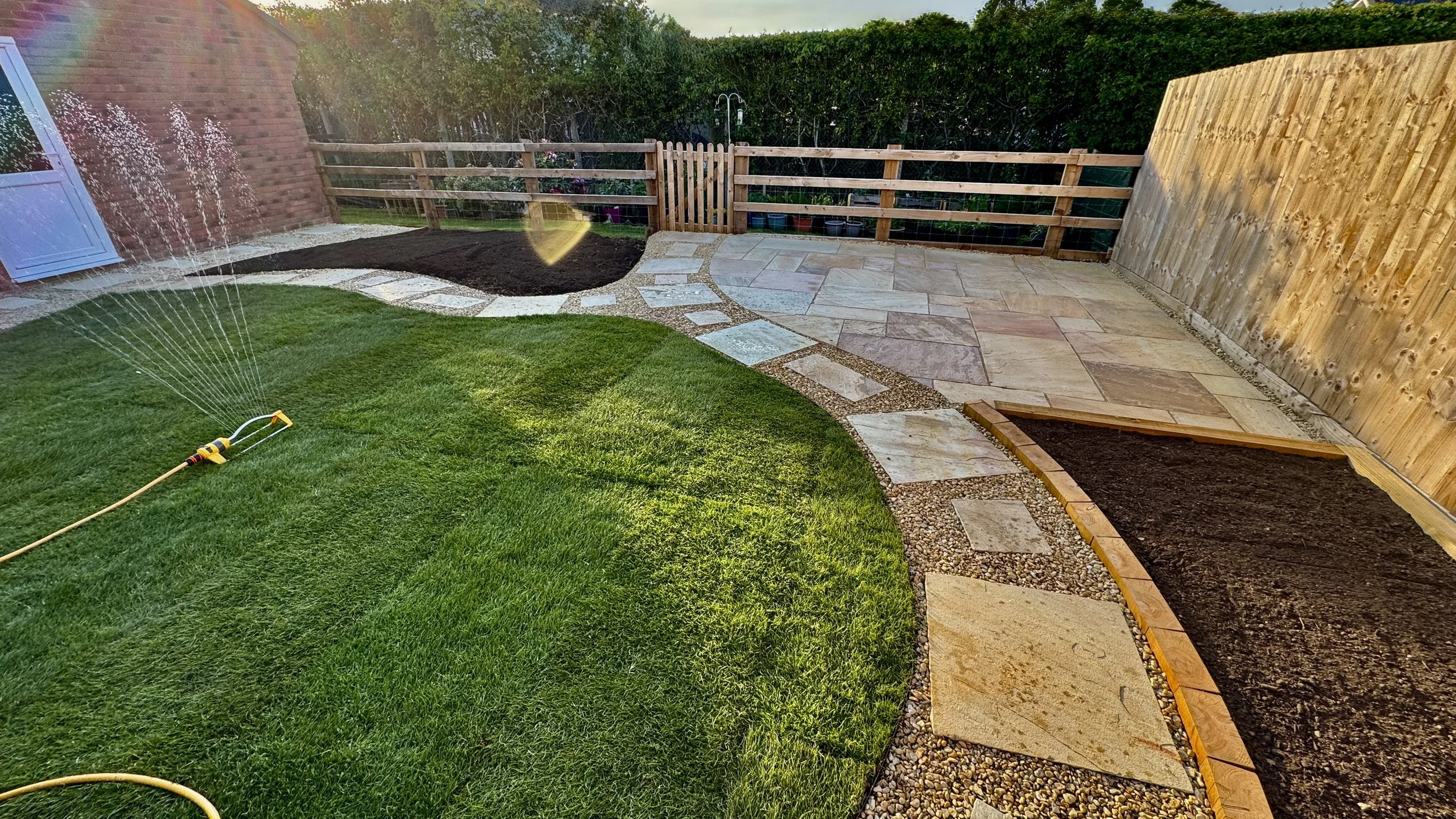
This page covers:
- Fence options: closeboard, feather edge, panels, picket, screening
- Posts and gravel boards: timber vs concrete
- Gates: access, side gates, garden gates
- What makes fencing last: depth, fixing, treatment, and sensible maintenance
- How fencing ties into patios, paving, and full garden renovations
Planning more than fencing? See Landscaper in Cheltenham or check Patios, Paving, Lawns, and Planting.
Fencing Installation in Cheltenham (No Wobble Posts, No “That’ll Do” Gaps)
A decent fence changes a garden instantly. It sharpens the edges of the space, gives you privacy, and makes everything else look more intentional. But fencing is one of those jobs where poor workmanship shows up fast: the first windy week exposes weak fixings, the first wet winter reveals posts that were never set properly, and the first time a gate is used daily it tells you whether the frame was square or “close enough”.
We install fencing across Cheltenham for homeowners who want it done once and done right. That means selecting a fence type that matches the job, setting posts at sensible depth, using fixings that suit the materials, and finishing in a way that looks clean from both sides (where practical). If you’ve got sloping ground, awkward corners, tree roots, or old concrete to deal with, we handle that too — because real gardens aren’t flat and tidy.
If your fencing job is part of a wider garden upgrade, pair it with patios, paving, and lawns for a properly finished result.
Fencing & Boundary Examples
A fence should look tidy from the house and still look tidy when you’re standing on the boundary line. Here are a few examples using your existing site images.
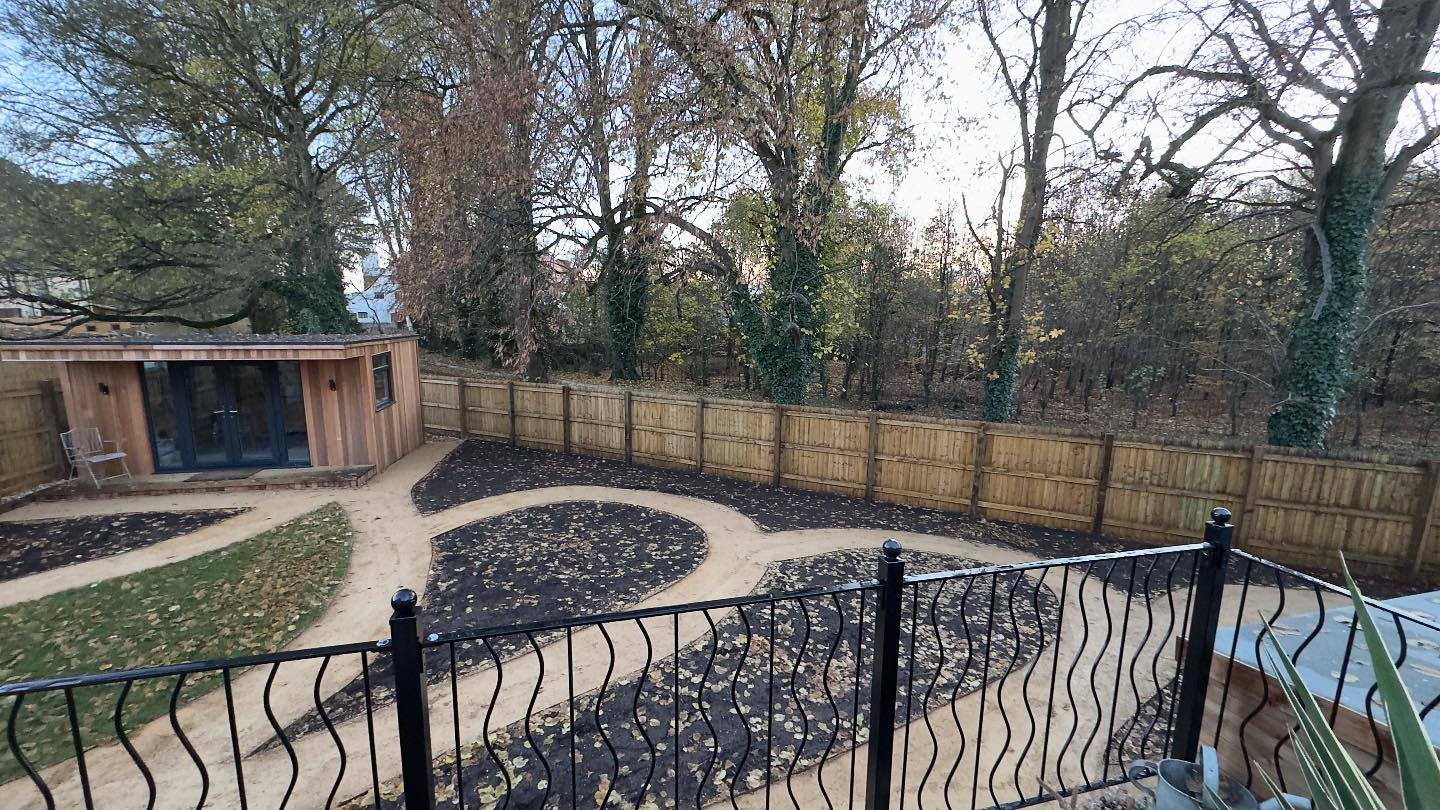

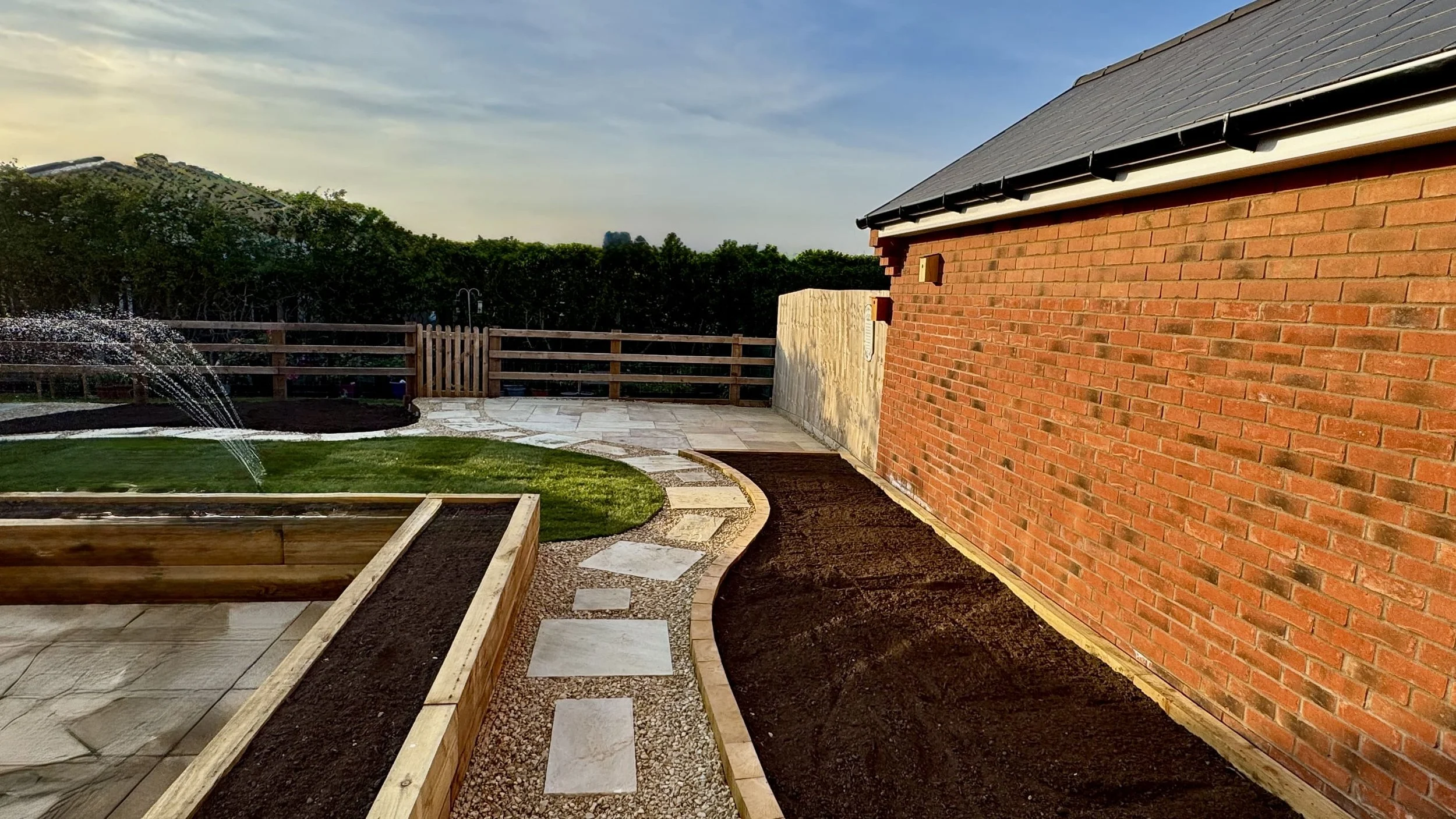
The goal is always the same: a fence that’s straight, solid, and finished cleanly — not something you end up apologising for when you’ve got visitors.
Fence Options We Install
The “best” fence depends on what you need it to do. Some people want maximum privacy. Some want something traditional that fits the look of the house. Others want a tougher boundary that can handle dogs, kids, footballs, and the odd storm without rattling itself to pieces. Below are the main fence styles we install, with the plain-English pros and cons.
Closeboard / Closeboard Panels (Privacy + Strength) +
Closeboard is the workhorse of garden fencing. It’s solid, private, and built to take a beating. It suits most Cheltenham homes and it’s ideal where you want to block views, cut down wind, and create a proper “garden room” feel. You can do it as panels or as a site-built run (depending on the job).
- Best for: privacy, durability, family gardens, boundary lines
- Look: clean and traditional, easy to keep tidy
- Strength: excellent when posts/rails are done properly
- Maintenance: occasional treatment/finishing if you want it looking fresh
Closeboard’s biggest weakness is poor installation. If posts are shallow or fixings are weak, it becomes a sail in the wind. Done properly, it lasts.
Feather Edge (Site-Built, Great on Slopes) +
Feather edge is a traditional, high-privacy option built board-by-board. It’s brilliant on uneven ground because it can be stepped neatly, and it gives you a more “crafted” finish than off-the-shelf panels. It’s a strong choice for long runs and awkward levels.
- Best for: sloping gardens, long boundaries, high privacy
- Look: classic and solid (very “proper fence”)
- Strength: excellent when framed well
- Maintenance: similar to closeboard; treat if you want colour consistency
Feather edge done right looks expensive. Feather edge done rushed looks like a pallet with delusions of grandeur. Details matter.
Overlap / Lap Panels (Budget-Friendly and Quick) +
Overlap panels are a practical option when you want a neat boundary at a sensible price. They’re quick to install and work well for many gardens, especially when combined with good posts and gravel boards. They’re not the strongest style on the planet, but they can still be a tidy solution.
- Best for: straightforward boundaries, fast replacements, cost-effective upgrades
- Look: standard garden fence finish
- Strength: good with proper posts and support
- Maintenance: keep ground contact off the timber (gravel board helps)
If you live in a very exposed spot, we’ll usually steer you toward a stronger build. Wind doesn’t care about budgets.
Picket Fencing (Front Gardens + Traditional Charm) +
Picket fences are classic for a reason. They give a front garden structure without turning it into a bunker. Great for cottage-style homes, neat front lawns, and anywhere you want a boundary that looks welcoming but still defines the space.
- Best for: front gardens, decorative boundaries, keeping things tidy
- Look: traditional, smart, and friendly
- Strength: depends on post spacing and rail quality
- Maintenance: paint/stain if you want the crisp “fresh” look long-term
Picket is about style and definition — not total privacy. If you want privacy, you’re in closeboard territory.
Screening (Willow / Bamboo / Slatted Styles) +
Screening is ideal when you want to block an awkward view, add privacy to a seating area, or soften a boundary without it looking heavy. Willow and bamboo give a warmer, more natural feel. Slatted or contemporary styles give a modern finish — especially in courtyards and patio spaces.
- Best for: patios, seating areas, hot tubs, overlooked gardens
- Look: modern or natural depending on material
- Strength: can be very solid when framed correctly
- Maintenance: varies; we’ll advise based on the screening you choose
Screening works best when it ties into the rest of the design — see Patios and Planting.
Posts, Gravel Boards, and Fixings: Where Fences Win or Lose
Most fencing failures aren’t “the panels were rubbish”. They’re “the posts weren’t set properly” or “the fixings weren’t suited to the job”. The fence is basically a lever, and wind is constantly trying to pull it over. The posts and the way they’re anchored are what resist that force. If the posts move, everything else follows.
Concrete Posts & Gravel Boards (Tough + Low Fuss) +
Concrete posts and gravel boards are popular for a reason: they handle ground contact, moisture, and time very well. They’re especially sensible on boundaries where the ground stays damp, where soil piles up, or where you want a fence that needs less ongoing attention. Gravel boards keep timber panels away from wet soil, which is one of the simplest ways to extend the life of a fence.
- Best for: long runs, damp boundaries, replacement fences
- Strength: very good when installed correctly
- Maintenance: low; timber panels still need basic care
- Look: clean and consistent
Timber Posts (Traditional Look, Needs Correct Treatment) +
Timber posts can look fantastic and suit more traditional gardens — especially when paired with feather edge or picket fencing. The key is using the right grade of treated timber and installing it properly so it’s not sitting in constant wet ground. Timber posts can last well, but they demand more respect in terms of materials and installation.
- Best for: traditional fencing styles, bespoke builds
- Strength: very good with the right post size and depth
- Maintenance: more than concrete posts, depending on exposure
- Look: warmer, more “natural” finish
Fixings matter too. The right brackets, rails, and screw/nail selection stops panels rattling loose. Gates need proper hinges and latches, and if you’ve got a dog that treats the fence like an enemy combatant, we’ll build for that reality rather than pretending it won’t happen.
How We Install a Fence (What We Actually Do On Site)
Fencing looks simple until you start dealing with levels, old footings, tight access, and boundaries that were never square to begin with. Here’s how we keep it straightforward and controlled — so you end up with a fence that’s straight, secure, and cleanly finished.
1) Site check: boundaries, levels, and access +
We look at the full run: where the fence starts and ends, what the ground is doing, and how close we are to planting beds, trees, paving edges, and anything else that affects the build. If you’ve got slopes or steps, we decide whether the fence should be stepped or raked so it looks intentional.
This is also where we talk through the “human” side: gates, privacy hotspots, where bins go, and how you actually use the garden.
2) Remove old fence and prep the line +
Old posts often leave behind broken concrete, metal spikes, or rotten stumps that need dealing with properly. We clear the line so the new posts can be set accurately. This is where rushed fencing jobs go wrong — they “work around” old mess instead of fixing it.
3) Set posts straight, to depth, and correctly spaced +
Posts are set to line and level so the fence doesn’t snake along the boundary. We space them correctly for the fence type and ensure the run is consistent. The depth and anchoring method depends on ground conditions and exposure. The goal is simple: the posts don’t move.
If you’ve ever seen a brand new fence leaning after a month, it wasn’t “bad luck”. It was bad installation.
4) Fit panels/rails/boards and lock everything in +
Once posts are set, we fit the fence system properly — panels with supports, or rails and boards for a site-built fence. We keep lines consistent, ensure fixings are correct, and make sure the fence looks tidy along the full run, not just at the first 3 metres.
5) Gates, finishing, and tidy handover +
Garden Gates & Side Gates
A gate gets used more than any other part of the fence. If it’s slightly off-square, you’ll feel it every day. If the hinges are cheap or badly positioned, the gate will drop. If the latch is flimsy, it will rattle. Gates need proper framing and proper hanging — especially if you want a “one-hand close” that feels solid.
Side gates (practical access and security) +
Side gates are about security and convenience: keeping access controlled, stopping bins wandering, and making the garden feel “contained”. We’ll match the gate style to the fence, check ground levels so it doesn’t scrape, and make sure it closes cleanly.
- Good for: side access, drive-to-garden routes, bin storage areas
- Options: simple latch, lockable hardware (if required)
Garden gates (matching style and a neat finish) +
Garden gates look best when they feel like part of the build, not an afterthought. Whether you’re going for traditional timber or something more contemporary, we keep the gate lined up with the fence, and we don’t leave awkward gaps around it.
A neat gate makes a garden feel “finished”. A sloppy one makes the whole boundary look cheap.
Fence Care: How to Keep Timber Looking Good (Without Making It Your Hobby)
Timber fencing will change colour over time — that’s normal. Some people like the natural weathered look. Others prefer to keep it looking fresh and consistent. Either way, the goal is to prevent premature rot and keep fixings tight. You don’t need to baby a fence, but you do need to avoid a couple of common mistakes.
Basic care that actually matters +
- Keep soil and mulch from piling up against timber boards (constant damp is the enemy).
- Trim back plants that trap moisture against the fence, especially in shaded corners.
- Check gates once in a while: tighten hardware if it starts to loosen.
- If you paint/stain, do it properly (clean, dry timber) so it doesn’t peel and look worse than leaving it natural.
The quickest way to shorten fence life is letting the bottom edge sit in wet soil for months. Gravel boards help for a reason.
Painting & staining: when it’s worth it +
If you want a crisp, consistent colour (especially on modern or newly renovated gardens), paint/stain can look great. Just be realistic: it’s maintenance. Done well, it protects and improves appearance. Done rushed, it flakes and looks scruffy.
If you’re doing a full “make it look sharp” refresh, combine fencing with planting and a clean surface like paving.
Storms & wind: what to watch for +
After strong winds, check for rattling panels, loose capping, or a gate that’s started catching. Small issues are easy fixes early. Leave it for months and you end up with bigger movement and more repair work.
Fences don’t “suddenly fail”. They loosen and move over time. Catch it early and it stays a small job.
Fencing Installation Areas Around Cheltenham
We install fencing across Cheltenham and nearby areas. If you want a more local page, these are good starting points:
Not listed? If you’re nearby, just ask — we’re not precious about postcodes.
Fencing FAQs
How much does new fencing cost? +
Cost depends on fence type, total run length, access, ground conditions, and whether you’re using concrete posts/gravel boards or timber posts. We do a site visit and provide a clear written quote so you know what’s included (materials, removal, installation, and finishing).
What fence is best for privacy? +
Closeboard and feather edge are the go-to choices for privacy. If you want privacy mainly around a patio or seating area, screening can also work well and looks more “designed” when paired with planting.
Do you install gates as well? +
Yes — side gates and garden gates. We’ll match the style to the fencing and make sure it’s square, solid, and closes cleanly.
My garden is on a slope. Will it look odd? +
Not if it’s planned properly. Slopes can be handled by stepping the fence or adjusting the build to suit the line. We’ll recommend the approach that looks intentional and keeps the fence secure.
Do you take on fencing-only jobs? +
Yes. We do fencing replacements, upgrades, and new boundary runs — and we also combine fencing with patios, lawns, and full renovations where needed.
Want broader answers? See FAQs or check Reviews before booking.
Get a Free Quote for Fencing in Cheltenham
Tell us what you need — privacy closeboard, feather edge for a sloping boundary, a neat picket front fence, or screening around a patio. We’ll come out, assess it properly, and give you a clear written quote.
Want proof first? Read customer reviews and then get in touch.