

Raised Beds in Cheltenham: Clean Borders, Better Planting, Less Mess
A raised bed does two jobs at once: it gives you a strong, tidy edge and it creates a better planting environment. The best gardens don’t look good because they’re “fancy” — they look good because the edges are clean, the levels make sense, and the planting is contained properly. Northwood Landscape builds raised beds in Cheltenham using sleepers, blockwork and masonry to create structured borders that look smart and stay that way.
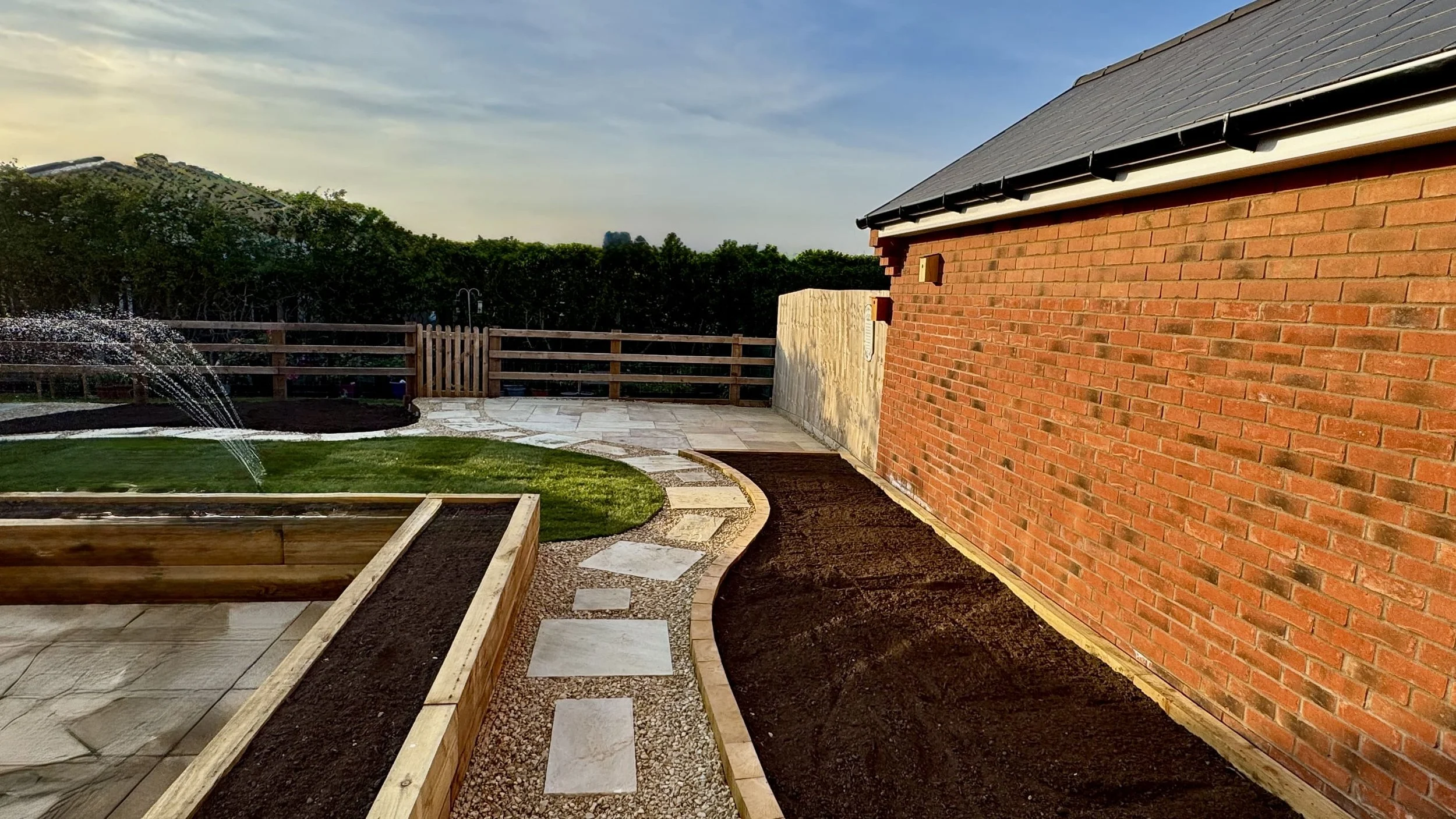
Raised beds are great for:
- Defining borders around patios and lawns
- Creating privacy planting zones near boundaries
- Improving poor soil by importing good topsoil/compost
- Adding height and depth (making a flat garden look designed)
- Reducing soil spill onto paving and paths
Raised beds often pair with Retaining Walls and Planting. Planning a full makeover? Garden Renovations.
Why Raised Beds Make Gardens Look Better (And Stay Tidy)
Most gardens look “unfinished” for one reason: the edges are weak. Borders creep, soil spills onto paving, lawns blur into beds, and the whole thing becomes a bit shapeless. A raised bed fixes that by creating a strong physical boundary. It makes the garden look intentional.
There’s also a practical side. Raised beds let you import good soil, improve drainage in planting zones, and control what’s growing where. In Cheltenham, where clay soil is common, raised beds can be a smart way to improve planting success — especially for shrubs and perennials that hate sitting wet.
Want the full picture? See Garden Renovations or browse Patios, Lawns, and Planting.
What Raised Beds Are Used For
Raised beds aren’t just for “more flowers”. They’re a structural landscaping tool. Here’s how they’re commonly used in Cheltenham gardens:
Raised borders around patios (soften the space)+
Defining lawns (clean edges, less maintenance)+
Lawns look sharper when edges are defined. Raised beds can act as a permanent edge line so your lawn doesn’t creep or get scalped. They also stop muddy borders smearing into the grass during wet months.
See: Lawns.
Privacy planting and screening near boundaries+
Terracing and level changes (raised beds that retain)+
Many raised beds are also retaining structures. On sloped gardens you can terrace the space using raised beds to create usable levels and a more designed look.
See: Retaining Walls.
Raised Bed Options: Sleepers, Blockwork, Brick and Stone
The right material depends on the style of the garden and what the bed needs to do. A low raised border can be relatively simple. A raised bed that holds back a slope (or is tall enough to sit on) needs proper structural thinking. Here are the common options we install:
Timber Sleeper Raised Beds+
Sleeper planters are popular because they look natural and suit most gardens. They work well for defining beds around lawns and patios. They’re also a strong option for terracing when installed and fixed properly.
- Best for: neat borders, modern/traditional gardens, quick transformation
- Look: warm, natural, works great with planting
- Important: sleepers need solid fixing and drainage if they’re retaining soil
Blockwork Raised Beds (Render, Face, or Coping)+
Blockwork beds give a cleaner architectural look and can be rendered, faced, or capped with coping stones. They’re excellent where you want crisp lines and a more “built-in” finish.
- Best for: premium modern finishes, seating edges, stronger retaining needs
- Look: tidy and sharp, especially near porcelain patios and clean paving lines
- Maintenance: generally low
If you’ve got modern paving planned: Paving.
Brick or Stone Raised Beds (Traditional Feel)+
Brick and stone raised beds can suit traditional Cheltenham properties beautifully. They can also match existing house details. The key is getting the levels straight and the finish consistent — uneven tops are what make walls look “DIY”.
- Best for: character gardens, period homes, timeless finish
- Look: classic, premium when done neatly
- Maintenance: low if built properly
Raised Beds With Built-In Seating+
This is a smart upgrade: a raised bed that doubles as a seating edge. It works particularly well around a patio or firepit area. The important part is getting heights right so it’s comfortable to sit on and strong enough to take weight.
A seating edge also frames the patio and makes the whole space feel “designed”, not just “paved”.
Works best with: Patios.
How Raised Beds Are Built (So They Don’t Bow, Split, or Sink)
Raised beds look simple. People see a sleeper planter and think “easy job.” Then a year later the timber bows, the corners open up, or the bed sinks because the base wasn’t prepared properly. The build quality matters because raised beds contain soil and water — and that weight adds up fast.
We build raised beds with a focus on straight lines, solid bases, and sensible drainage, so the structure stays square and the planting does well. The exact detail depends on the material and height, but the principles stay the same: build it strong, then finish it neat.
Common mistakes (why raised beds fail)+
- No proper base: beds settle unevenly and twist.
- Weak fixing: corners open up and faces bow over time.
- Poor drainage: soil stays saturated, adding weight and stressing the structure.
- Wrong fill: heavy wet clay used as fill makes everything worse.
- Messy finishing: uneven tops and poor alignment look cheap straight away.
Raised beds + drainage (Cheltenham clay soil)+
Clay soil holds water. That’s a big reason raised beds work well in Cheltenham: you can improve planting conditions by using better soil mixes. But drainage still matters. If water has nowhere to go, the bed stays saturated and the structure takes more strain.
If your whole garden holds water, see: Garden Drainage & Soakaways.
Planting Ideas for Raised Beds (Low Maintenance or Full Colour)
Once the structure is in, planting is what turns a raised bed from “a box of soil” into a proper feature. The smartest approach is choosing planting that matches your maintenance level. Most people say they want low maintenance — but they also want it to look good — so we balance structure (evergreen shrubs, repeated planting) with seasonal interest.
Low maintenance planting (neat all year)+
Repeat planting, evergreen structure, tidy mulch finish. Looks designed and stays tidy with minimal fuss.
See: Planting.
Traditional borders (seasonal colour)+
More perennials and flowering shrubs. Great if you like colour and don’t mind a seasonal tidy-up.
Privacy planting (screening and height)+
Raised beds add height. That means screening planting works faster and looks more deliberate, especially along boundaries.
Pair with: Fencing.
Edible planting (herbs / small veg zones)+
Raised beds are ideal for herbs and smaller edible planting because you can control soil quality. If you want a tidy edible section, we can keep it structured so it doesn’t turn into a messy corner.
How Much Do Raised Beds Cost in Cheltenham?
Costs depend on the size, height, material choice (sleepers vs blockwork vs brick/stone), access, and what’s going inside the bed (soil quality, drainage considerations, planting). The biggest differences between quotes are usually build quality and preparation. A cheap raised bed often looks fine on day one and starts bowing or settling later.
Raised Bed Installation Areas Around Cheltenham
We build raised beds across Cheltenham and surrounding areas:
If you’re nearby but not listed, get in touch — chances are we still cover you.
Raised Beds FAQs
Are sleeper raised beds a good idea in the UK?+
They can be, and they’re very popular. The key is correct fixing and sensible drainage so the structure doesn’t bow. For higher retaining heights, we may recommend a different construction approach depending on the site.
Can raised beds help with clay soil?+
Yes. Raised beds let you import better soil and improve planting conditions. They won’t magically fix a waterlogged garden by themselves, but they’re a great part of a wider solution.
Can raised beds be built as seating?+
Yes. Raised beds with seating edges work well around patios. Heights and strength matter, so it needs to be designed as a feature that takes weight.
Do raised beds work best as part of a full renovation?+
Often, yes — because you can plan levels, patios, paths, lawns and planting together so everything meets neatly. See: Garden Renovations.
Get a Quote for Raised Beds in Cheltenham
If you want cleaner borders, structured planting, and a garden that looks intentional, raised beds are one of the best upgrades you can make. We’ll assess the space, recommend the best material option, and build it properly so it stays straight and solid.
Want the bigger picture? Start at Garden Renovations.